Building a social circle as an adult takes longer than most people expect, and Barcelona is no exception. Whether you arrived recently or grew up here and found that your old group has scattered with jobs, children and moves, the challenge is much the same. The city helps: life happens outdoors for much of the year, neighbourhoods have strong identities, and there is a steady rhythm of classes, clubs and cultural events. This guide covers practical ways to meet people in Barcelona that feel natural rather than forced.
Start with a routine, not a one-off event
Friendships rarely come from a single great conversation. They grow from repeated, low-pressure contact: seeing the same faces often enough that a hello becomes a coffee, and a coffee becomes an invitation. A weekly commitment usually does more than an evening among strangers, because the activity carries the conversation and nobody has to perform. Barcelona’s seafront, parks and surrounding hills make group activity easy all year round. Good options include:
- Run clubs: many meet early in the morning or after work and finish with a coffee or a drink. Find a pace group that suits you and keep turning up.
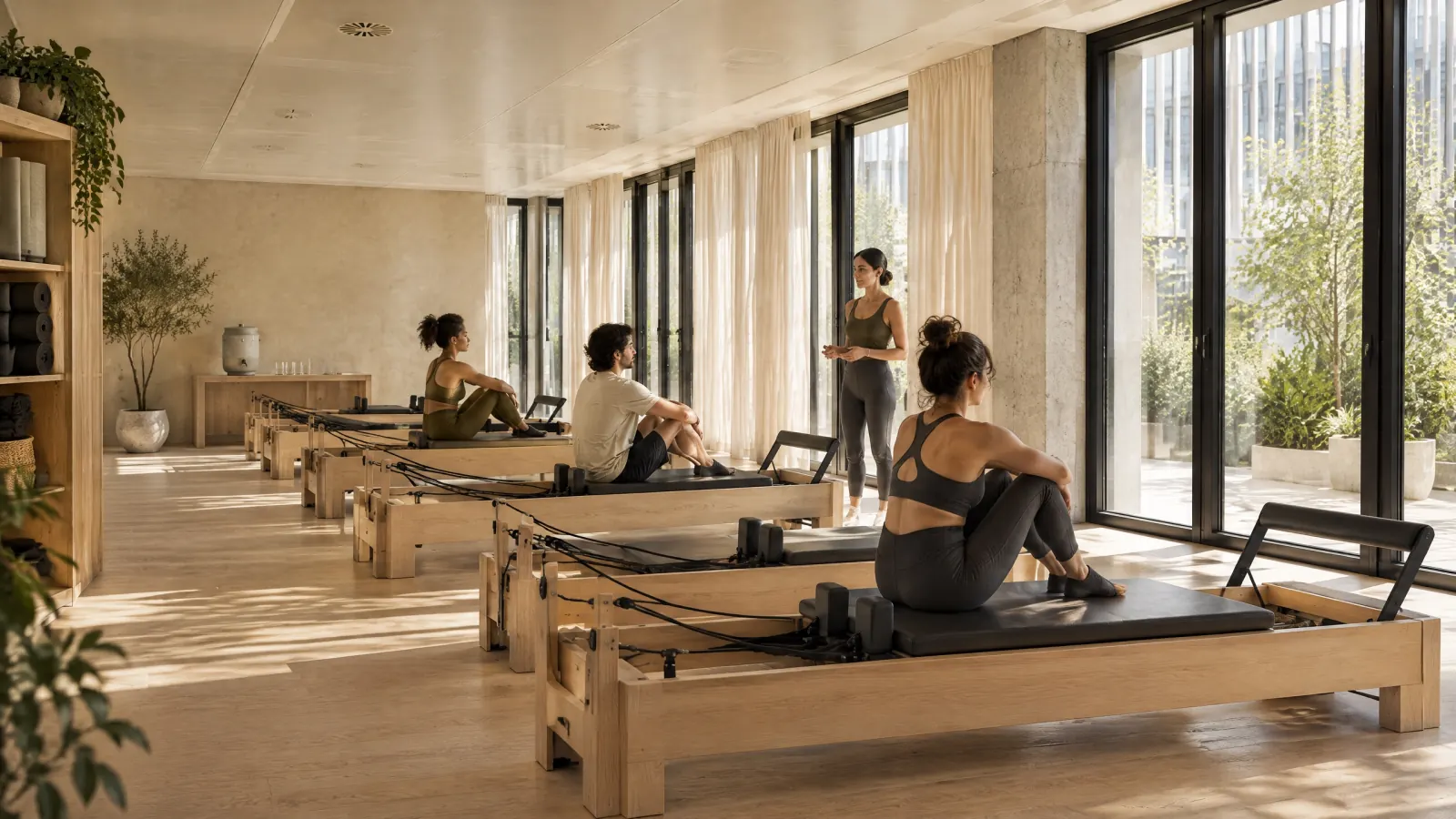
- Gym classes and group training: going at the same time each week means you soon recognise the regulars.
- Team and outdoor sports: beach volleyball, padel, climbing, hiking and swimming groups all have a social side.
- Creative and practical classes: pottery, cooking, photography, dance or drawing give you something to talk about from the first minute.
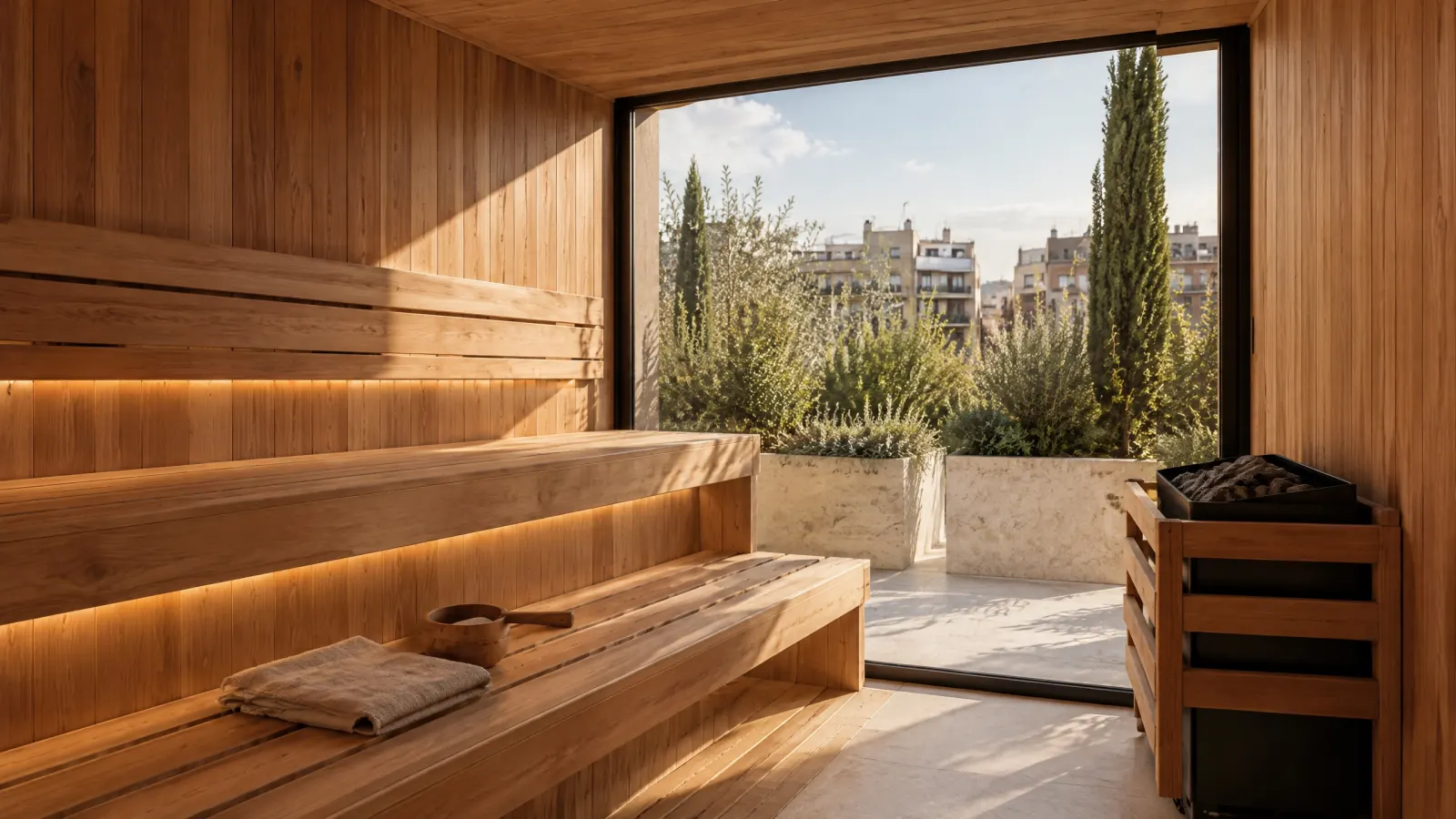
- Wellbeing routines: yoga, breathwork or sauna sessions attract people who come back regularly, which is exactly what you need.
Choose something you would enjoy even if you met nobody, then give it a few months. Consistency is what turns familiar faces into people you actually know.
Find your third places
A “third place” is somewhere that is neither home nor work, where you can spend time without needing a reason: a café, a neighbourhood bar, a library, a market, a square. Barcelona has a long tradition of them, from the corner bar where the owner knows your order to the plaça that fills with neighbours on summer evenings.
The trick is to become a regular. Go to the same place at roughly the same time, greet the staff and let familiarity build slowly. If you work remotely, a regular workspace can play the same role, giving you colleagues of a kind even when everyone works for different companies.
Small events, real conversations
Large mixers can feel like a race to hand out business cards. Smaller formats work better because there is a shared focus and time to talk. A talk with questions afterwards, a hands-on workshop, a film screening followed by a discussion or a long dinner around one table all give you an easy opening line: what did you think? Look for events with limited places and, where possible, sign up for a series rather than a one-off, so you see some of the same people again.
Mixing Catalan, Spanish and English
Barcelona is a bilingual city with a large international population, and in a single room you may hear Catalan, Spanish, English and several other languages. Language can be a barrier, but it is also one of the best ways to connect.
If you are new, learning some Catalan or Spanish shows that you want to be part of the city, and people generally appreciate the effort, even when your first attempts are clumsy. Language exchanges, where you spend some time in each language, are a classic way to meet locals who want to practise English or another language. If you have lived in Barcelona all your life, mixed-language settings are a chance to step outside your usual circles and share the city you know.
How professional connections grow from casual ones
Some of the most valuable professional relationships begin without any agenda. The person you run with on Thursdays may work in your field or know someone who does, and because there is already some trust, an introduction or a piece of advice comes easily. Be curious about what others do without pitching yourself, offer help when you can and send a short message after a good conversation. Over time, a wide circle of acquaintances becomes a network that feels like your own.
Tips for newcomers and long-time residents
Whether you arrived last month or have lived here for decades, a few habits make a real difference:
- Say yes to invitations in the first months, even when you would rather stay in; momentum matters.
- Take the initiative and suggest a coffee after class or a walk at the weekend. Most people are glad someone asked.
- Be patient: friendships usually take months, not weeks, to settle.
- If you have lived here for years, open up your circle and bring a newer colleague or neighbour along to something you already do.
- Accept that not everything will click. That is normal, and it does not mean the city is closed.
Bringing routines, regular places and small events together under one roof is the idea behind Poblenou Club, which is being developed in the 22@ district. It is planned as a members’ club where work, training, recovery and a programme of talks, workshops and dinners sit side by side, so that the person you see at the shared table in the morning could be the one you sit next to at a terrace dinner later that week.
Questions
What is the best way to make friends in Barcelona?
Join something that meets every week, such as a run club, a class or a sports group, and stick with it for a few months. Repeated contact with the same people is what turns acquaintances into friends.
Do I need to speak Catalan or Spanish to meet people in Barcelona?
Not to get started, as many groups mix languages and use English. Learning even a little Catalan or Spanish, though, opens up much more of the city and is generally appreciated.
How can I network in Barcelona without going to networking events?
Let professional connections grow from shared activities, workspaces and small events such as talks or workshops. Be curious about others, offer help and follow up after a good conversation.
Is it normal to find it hard to make friends as an adult?
Yes, it is very common, for newcomers and lifelong residents alike. Adult friendships simply need more structure, such as a weekly routine or a place you return to.